
Welcome to Maanjari Insights
Technology is evolving faster than ever. Every week, Maanjari Insights explores one practical topic that helps business leaders understand how modern technology can create real business value.
This is Episode 1 of our Digital Transformation Series.
Over the next ten weeks, we'll explore how artificial intelligence, cloud computing, cybersecurity, software development, and workflow automation are reshaping organizations around the world.
Whether you're running a startup, managing a growing company, or planning your organization's next digital initiative, this series is designed to help you make informed decisions with confidence.
Let's begin where many digital transformation journeys now start: AI automation.
Introduction
Imagine arriving at your office on Monday morning.
Your inbox is already organized.
Customer inquiries have been categorized by urgency.
Meeting notes from Friday have been summarized into action items.
Invoices have been matched with payments.
Sales opportunities have been prioritized.
Weekly reports are waiting on your dashboard.
And your team hasn't spent the weekend working.
No magic.
No robots replacing employees.
Just software quietly handling repetitive tasks in the background.
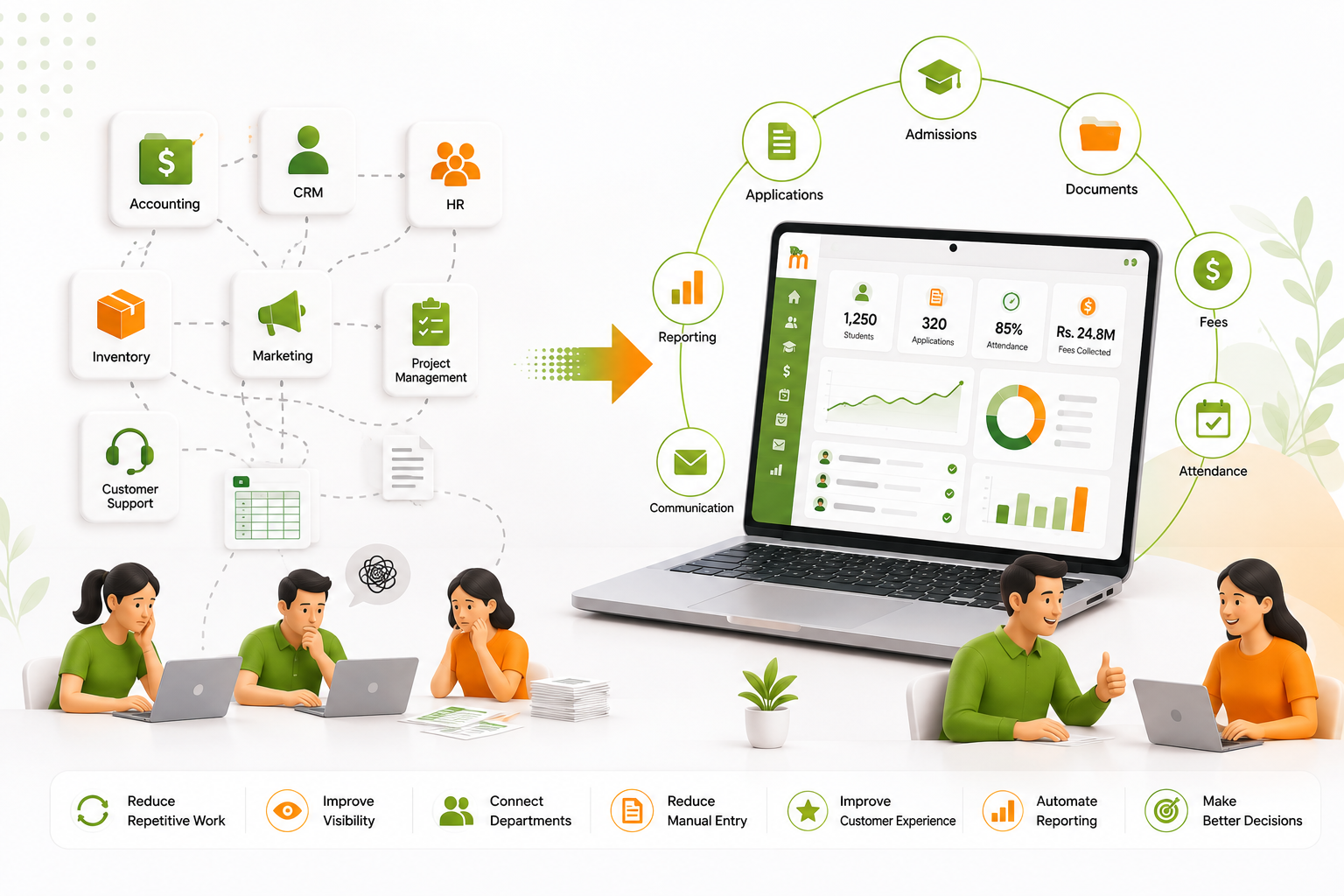
For decades, businesses have invested in technology to make work faster. Yet many organizations still rely on employees to perform repetitive tasks that consume hours every day—copying information between systems, responding to common emails, generating reports, scheduling meetings, updating spreadsheets, and following up with customers.
These activities are necessary, but they rarely create new value.
Artificial intelligence is changing that.
Instead of replacing people, AI is increasingly helping people focus on work that requires creativity, judgment, problem-solving, and meaningful customer interactions.
The organizations benefiting the most from AI aren't necessarily the largest companies with the biggest budgets. They're often the businesses that recognize one simple truth:
Time is one of the most valuable resources in any organization.
When repetitive work is reduced, teams gain more time to innovate, collaborate, and serve customers.
This article explores what AI automation really means, where it delivers the greatest value, and how businesses can begin adopting it thoughtfully—without feeling overwhelmed.
What You'll Learn
By the end of this article, you'll understand:
- What AI automation actually is (without the technical jargon)
- Why businesses of every size are adopting it
- Common myths about AI in the workplace
- Areas where automation creates the biggest impact
- Practical examples from different industries
- Common mistakes to avoid
- How to prepare your business for AI
- A simple challenge you can complete before next week's article
What Is AI Automation?
When people hear the term artificial intelligence, they often imagine futuristic robots or machines replacing entire departments.
The reality is much more practical.
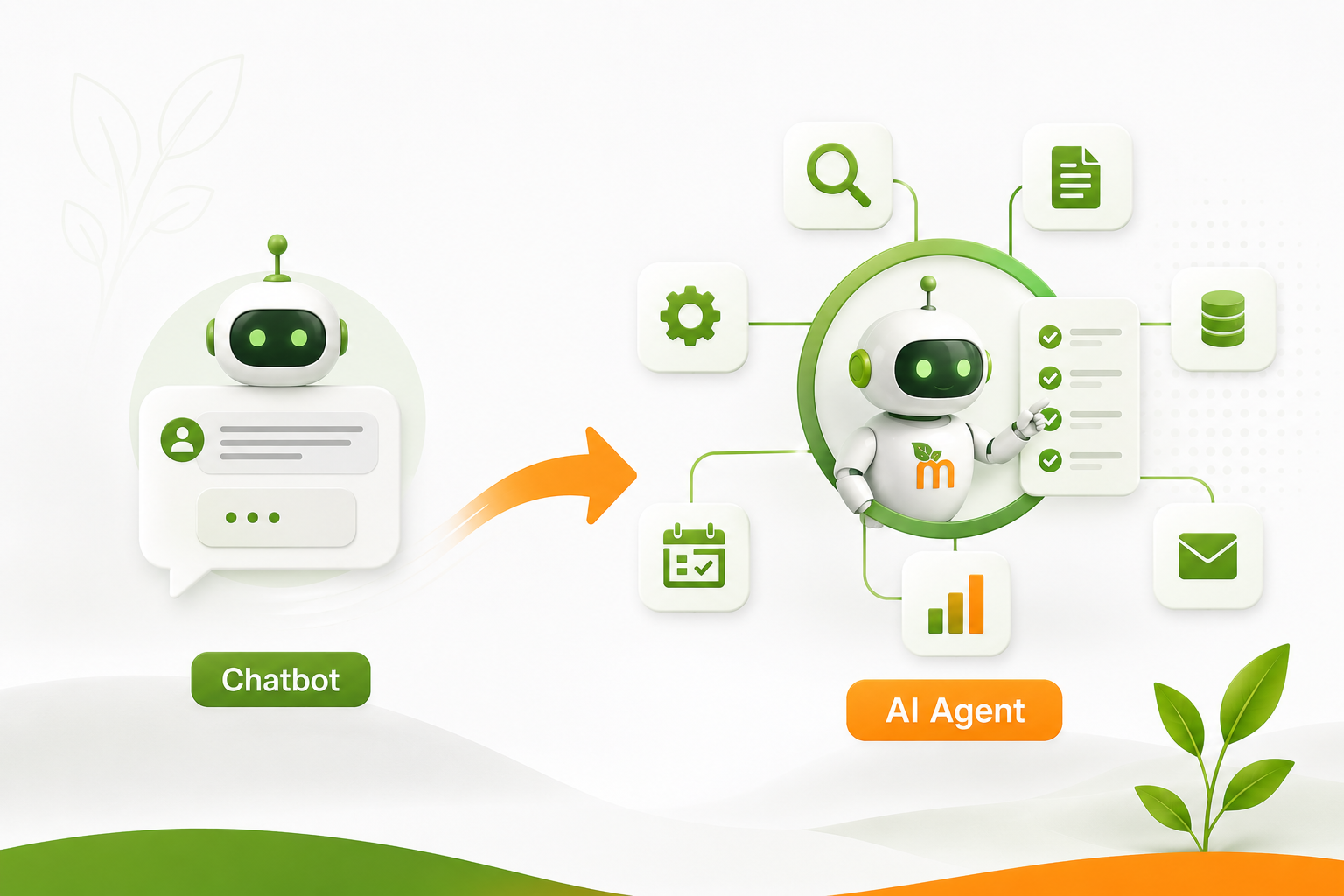
AI automation is the use of intelligent software to perform tasks that normally require human effort—especially repetitive, predictable, and data-driven activities.
Think of it as giving your business a digital assistant.
Unlike traditional automation, which follows fixed rules, AI can learn patterns, understand language, recognize images, summarize information, and even make recommendations based on data.
For example:
- Instead of manually sorting hundreds of customer emails, AI can categorize them automatically.
- Instead of spending hours creating meeting summaries, AI can generate accurate notes within seconds.
- Instead of reviewing thousands of invoices one by one, AI can identify unusual transactions that need attention.
The goal isn't to eliminate people from the process. It's to eliminate unnecessary manual work so people can focus on what humans do best: building relationships, solving complex problems, and making strategic decisions.
Why Businesses Are Paying Attention
Not long ago, AI was considered an emerging technology accessible only to large enterprises with significant budgets.
Today, that landscape has changed dramatically.
Cloud-based AI tools, software-as-a-service platforms, and built-in AI features have made automation accessible to organizations of all sizes. A small business can now automate customer support, summarize documents, generate marketing ideas, and analyze data using affordable tools that require little or no custom development.
At the same time, business expectations have evolved. Customers expect faster responses, employees want to spend less time on repetitive tasks, and leaders need better insights to make decisions. AI helps address all three challenges by reducing manual work and surfacing information more quickly.
The organizations seeing the greatest benefit aren't chasing AI because it's fashionable. They're adopting it because it helps them work smarter, respond faster, and scale more efficiently.
Coming in Part 2
We'll continue with:
- The biggest myths about AI automation
- Real-world business examples across industries
- Where to start with AI in your organization
- Common mistakes to avoid
- Weekly Challenge
- Reflection Question
- Frequently Asked Questions
- Preview of Episode 2: Answer Engine Optimization (AEO): Why AI Is Changing How Customers Find Your Business
- LinkedIn post
- Facebook caption
- Newsletter version
- Soft CTA to Maanjari
🔜 Next Week
Episode 2: Answer Engine Optimization (AEO)
AI isn't only changing how businesses work—it is also changing how customers search for businesses.
What happens when people ask ChatGPT instead of Google?
How do you make sure your business becomes part of the answer?
That's the question we'll explore next week.